Outdoor catering in South Africa offers a chance to host memorable events by leveraging stunning landscapes and the country’s warm climate. From vineyard gatherings to beachside celebrations, outdoor venues provide unmatched flexibility and a relaxed atmosphere. However, they also come with challenges like unpredictable weather, food safety concerns, and logistical hurdles. This guide covers everything you need to know - from creating weather-friendly menus to setting up live cooking stations like paella, ensuring your event is both enjoyable and well-executed.
Key Takeaways:
- Menu Planning: Use seasonal, local ingredients and cater to diverse dietary needs. Consider serving options like buffets, plated meals, or live cooking stations.
- Setup Tips: Ensure reliable power with generators, maintain food safety with proper storage, and create guest comfort with shaded areas and heating/cooling solutions.
- Live Paella Stations: A popular choice for outdoor events, paella adds visual appeal and a communal dining experience.
- Eco-Friendly Options: Use biodegradable serving ware and manage waste responsibly to align with growing environmental priorities.
Outdoor event catering combines South Africa's vibrant dining culture with its love for the outdoors, but success lies in thorough preparation and careful execution.
Why Choose Outdoor Catering for South African Events
South Africa’s incredible mix of climates and landscapes - ranging from the towering Drakensberg mountains to the breathtaking Garden Route coastline - provides an ideal backdrop for outdoor events. These natural settings perfectly align with the country’s love for communal gatherings, making outdoor catering a natural fit.
Outdoor venues encourage a relaxed and interactive atmosphere. Unlike the more structured feel of indoor spaces, open-air events create a flow that encourages guests to mingle freely. This casual vibe resonates deeply with South African hospitality, where warmth and connection are at the heart of every celebration.
The variety of outdoor venues available in South Africa is another big draw. Whether it’s a vineyard with rolling hills, a beach with the soothing sound of waves, a botanical garden filled with indigenous plants, or a private farm offering total seclusion, each space adds its own charm to the event. These venues often require less décor too, as the natural beauty speaks for itself. With thoughtful touches like fairy lights, lanterns, or candles, you can effortlessly enhance the ambience. As Laughing Chefs noted in November 2024, garden venues like Shepstone Gardens or coastal gems like Grootbos Private Nature Reserve create a "truly magical atmosphere" for outdoor weddings. They highlighted how elements such as elegant lighting, interactive entertainment like lawn games, and timing ceremonies around the golden hour elevate the guest experience and make the event unforgettable.
Outdoor events also offer a photographer’s dream. Natural light, especially during the golden hour, provides stunning opportunities to capture the beauty of the setting and the emotion of the occasion.
How Outdoor Catering Fits South African Dining Culture
South Africa’s rich culinary heritage, influenced by African, European, Asian, and Cape Malay traditions, makes outdoor catering a great way to showcase diverse flavours. Live cooking stations, where chefs prepare dishes in front of guests, add an exciting, interactive element to the dining experience. Watching a chef whip up a sizzling paella in a giant pan - complete with saffron-infused rice and fresh seafood - creates anticipation and sparks conversation, something that plated meals from behind closed kitchen doors just can’t match.
This style of catering ties beautifully into the South African philosophy of ubuntu, which emphasises community and shared experiences. When guests gather around a live cooking station, they’re not just enjoying a meal - they’re part of a collective moment. The chef becomes part of the entertainment, chatting about ingredients and techniques, while the aroma of freshly cooked food draws everyone in.
In November 2023, Spitz & Bitz Catering highlighted how spit braai events thrive in outdoor settings. The ample space and natural, relaxed atmosphere perfectly complement this beloved South African tradition. They also pointed out how rustic décor, live music, and evening touches like fairy lights or bonfires enhance the mood, creating a "fantastic social atmosphere" that guests love.
Benefits Compared to Indoor Catering
Beyond its cultural appeal, outdoor catering offers practical benefits that indoor venues often can’t match. Outdoor spaces are far more flexible, accommodating larger guest lists, multiple food stations, bar areas, and even entertainment zones. The open air naturally disperses cooking aromas, making live cooking demonstrations even more enjoyable. Plus, the layout can be easily customised, whether you prefer long banquet tables, cosy clusters, or a mix of both, with live cooking stations as focal points.
Outdoor events also provide a multi-sensory experience. Guests can see the stunning natural surroundings, hear live music or the gentle rustle of leaves, taste freshly prepared dishes, and even feel the refreshing breeze. Activities like lawn games or team-building exercises add another layer of interaction, ensuring guests stay engaged.
And let’s not forget the psychological perks. Studies show that spending time outdoors reduces stress and boosts mood. Guests arriving at an outdoor event often feel an immediate sense of relaxation, setting a positive tone that enhances the success of the celebration.
Organising a menu for an outdoor event requires more than just good taste - it’s about creating dishes that complement the setting and can handle the challenges of being served outdoors. From unpredictable weather to the unique charm of open-air dining, every detail matters. Your goal? A menu that’s both delicious and practical.
Start by matching your menu to the event's timing and weather conditions. For instance, a midday summer wedding in Cape Town might call for light, refreshing dishes like citrus-marinated seafood, crisp salads, and chilled gazpacho - perfect for keeping things cool in the heat. On the other hand, an evening winter gathering in the Midlands would benefit from hearty options like comforting stews and roasted vegetables, which stay appealing even in chilly weather. And don’t forget to adjust portion sizes based on the time of day - lighter servings for lunch, heartier ones for dinner.
In warmer weather, steer clear of cream-based or mayonnaise-heavy dishes that can spoil quickly. Instead, opt for vinaigrettes, herb-based dressings, and foods that hold up well at room temperature. For colder days, warm dishes and live cooking stations not only keep the food at its best but also add a touch of theatre to the event.
It’s also essential to cater to diverse dietary needs. Think halaal, kosher, vegan, and gluten-free options, ensuring all your guests feel included. For example, a traditional paella can easily be adapted by swapping seafood for seasonal vegetables and chickpeas for a vegetarian-friendly twist.
The way you serve your menu sets the tone for the event. Choose a format that matches the vibe of your venue and the practicalities of outdoor dining.
- Buffet-style service is a relaxed option that encourages mingling and allows guests to choose what they like. To keep it safe and appealing, use chafing dishes, covers, and place food away from direct sunlight.
- Plated meals create a more formal atmosphere, with each guest receiving a beautifully presented dish. While this approach speeds up service times, it does require more staff and precise timing.
- Family-style service strikes a middle ground, with large platters placed on tables for guests to share. This communal style fits perfectly with South Africa’s warm and welcoming spirit.
- Live cooking stations bring a sense of excitement and interaction. For example, a chef preparing paella on-site not only ensures the food is served hot but also provides a memorable experience for guests.
Using Seasonal and Local Ingredients
Seasonal and local ingredients aren’t just about flavour - they also make economic sense and add a regional touch to your menu. For a summer event, you might feature ripe tomatoes, sweet peppers, and fragrant herbs sourced from local markets. In winter, hearty ingredients like butternut, sweet potatoes, and citrus fruits take centre stage.
By focusing on what’s in season, you reduce the risk of having to make last-minute substitutions. A spring celebration in the Western Cape, for example, could highlight freshly caught line fish paired with seasonal greens. Meanwhile, an autumn event in the Free State might showcase locally reared lamb with roasted root vegetables and indigenous herbs.
Sourcing locally also ties your menu to the region’s story. Think West Coast mussels, Karoo lamb, or Durban prawns - these ingredients do more than just feed your guests; they give them a taste of the area’s rich culinary heritage. Plus, using local produce is an easy way to cut down on your event’s carbon footprint, aligning with eco-conscious values.
Once you’ve chosen your ingredients, the next step is to ensure you’re serving the right portions for your guests.
Calculating Portion Sizes for Your Guests
A well-planned menu is only half the battle - getting the portions right is just as crucial. Balancing satisfaction with minimal waste requires careful consideration of the event’s duration, style of service, and guest preferences. For example, a cocktail party might feature bite-sized gourmet snacks, while a formal dinner would require full-course servings.
Your caterer’s expertise is invaluable here. They can guide you on portion sizes based on their experience with similar events and the specific dishes on your menu. This collaboration ensures you strike the right balance, keeping everyone happy while avoiding unnecessary waste.
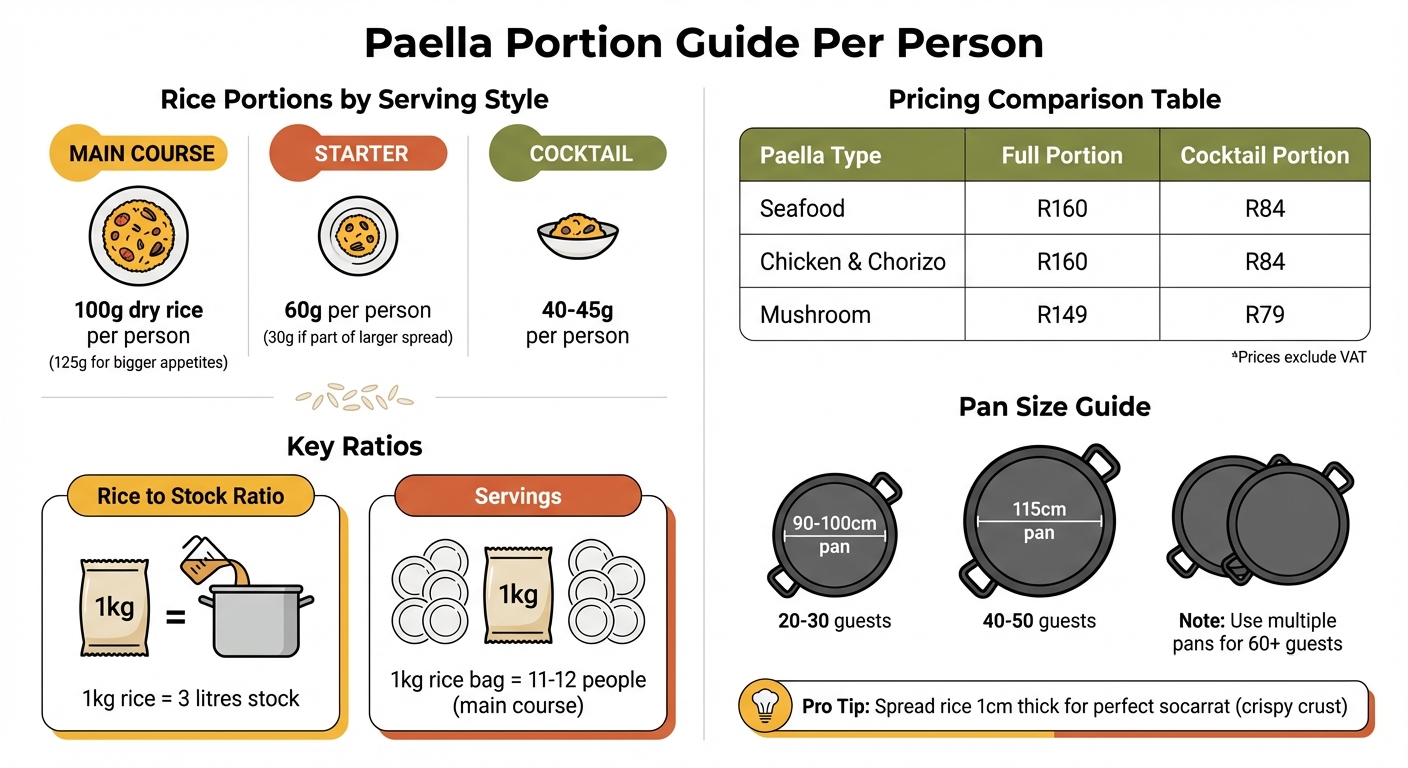
Flexibility can also make a big difference. Offering both full and tasting-sized portions allows you to adapt to different parts of the event. For instance, a seafood paella could be served as a hearty main course during a sit-down dinner or as smaller tasting portions for a cocktail gathering. Either way, the quality and presentation remain top-notch, ensuring your guests leave with lasting memories of the meal.
Equipment and Setup Requirements for Outdoor Catering
When it comes to outdoor catering, having the right equipment and setup can make or break your event. Indoor venues often come with built-in conveniences, but outdoor settings require extra planning and the proper tools to ensure everything runs without a hitch. In South Africa, where the climate varies from the intense heat of the Lowveld to the unpredictable weather of the Cape, your setup needs to be both reliable and well-prepared for any conditions.
Essential Equipment for Outdoor Kitchens
Your outdoor kitchen is the backbone of your catering operation, and having the right tools is crucial. For live paella catering, specialised paella burners are a must - they provide even heat distribution and typically run on gas. Always keep spare gas bottles handy to avoid any interruptions.
Portable gas stoves are great for preparing side dishes or sauces, especially if they come with wind shields to tackle breezy conditions. Refrigeration is another priority: portable fridges or cool boxes with ice packs can keep ingredients fresh, while refrigerated trailers are ideal for bulk storage. Since many outdoor venues lack access to electricity, backup power is a lifesaver. Portable generators, battery-powered devices, or even solar chargers for smaller setups can keep things running smoothly.
Here’s a quick checklist for your outdoor kitchen:
- Prep tables
- Handwashing stations with soap and sanitiser
- Secured waste bins with lids
- Portable sinks with water tanks
- Fire extinguishers and first aid kits
Transporting your equipment safely is just as important. Use sturdy storage containers, reliable strapping systems, and a vehicle that can accommodate your full setup. Once the kitchen is sorted, it’s time to focus on making your guests feel comfortable.
Setting Up Comfortable Event Spaces
Providing a welcoming and comfortable space for guests is just as important as the food. Start with shelter - gazebos, stretch tents, or sail shades can protect guests from the harsh sun or unexpected rain. When setting up, think about the sun’s movement throughout the day. A shaded spot in the morning might be fully exposed by noon.
For evening events, consider adding warmth and ambience with patio heaters or fire pits, especially in cooler regions or during winter. Stable outdoor furniture, weatherproof cushions, and secured table settings can make a big difference in guest comfort. Don’t forget practical details like clear pathways to facilities, accessible routes for those with mobility challenges, and thoughtful lighting as the sun sets. To prepare for unpredictable weather, weighted tent bases, quickly deployable side panels, and extra blankets can be a lifesaver.
While comfort and functionality are key, incorporating sustainable practices into your event setup can leave a lasting impression.
Eco-Friendly Serving Options
In South Africa, where environmental awareness is growing, using eco-conscious serving ware is a great way to show your commitment to sustainability. Here are some options to consider:
- Bagasse plates and clamshells: Made from sugarcane pulp, these compostable plates are sturdy and handle hot food well. CapeCup SA offers 15 cm sugarcane plates starting at R0,65 each.
- Birchwood cutlery: FSC-certified birchwood cutlery is a sustainable alternative to plastic. A 100-piece set of 16 cm cutlery costs R42,00 from CapeCup SA.
- Kraft paper products: Fully biodegradable kraft picnic boxes come in various sizes. For example, small boxes (22×21×6 cm) are priced at R840,00 for 100 units, while extra-large boxes (45×30×8 cm) cost R1 000,00 for 50 units.
- Palm leaf plates: These natural, biodegradable plates add rustic charm and are perfect for events where presentation matters. Suppliers like ArecaWare offer a variety of options.
Beyond the serving ware, consider broader sustainable practices. CapeCup SA, for instance, supports South Africa’s Fibre Circle Extended Producer Responsibility (EPR) programme, which promotes packaging recovery and recycling.
"We choose paper products that protect forests and future generations - look for this label on certified products (C161782)." - CapeCup SA
CapeCup SA also offers discounts on their eco-friendly ranges, like up to 25% off BioStraw™ products and 10% off the BioAfrica Home Range until 27 December 2025. Adding simple signage to explain that your serving ware is compostable or biodegradable, along with dedicated bins for waste separation, can enhance the event’s eco-friendly vibe and make a positive impression on your guests.
sbb-itb-50226ce
Live Paella Catering for Outdoor Events
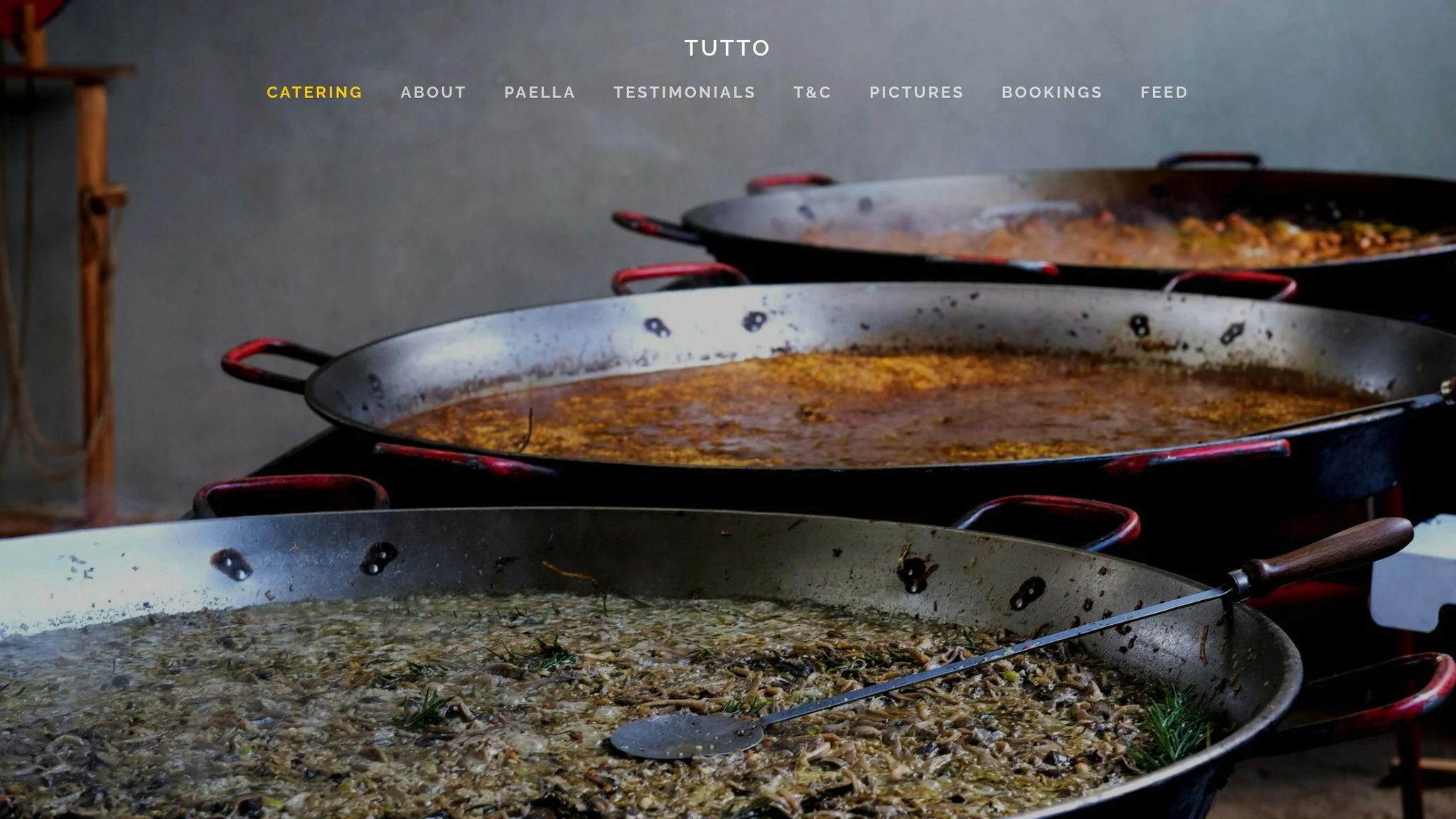
Live cooking stations have a special way of elevating outdoor events, and paella brings its own charm to the table. Imagine the scene: a massive paella pan bubbling away over an open flame, the air filled with the rich aroma of saffron and fresh ingredients, and the visual drama of it all drawing guests in. In South Africa, where outdoor gatherings and braais are a big part of life, live paella catering fits right in. It adds a fun, interactive element to any celebration while embracing the communal spirit that defines South African hospitality.
Why Paella is Perfect for Outdoor Events
Paella isn’t just a dish - it’s a spectacle. The golden rice, bright red peppers, pink prawns, and fresh green herbs create a vibrant display that naturally becomes the centrepiece of any outdoor event. Watching a chef expertly work a giant paella pan over an open flame is more than just cooking; it’s entertainment that brings people together.
This shared experience enhances the sense of togetherness that’s so important in South African gatherings. Guests can watch as the flavours and textures come together in real time, turning the meal into a celebration. Plus, paella’s one-pan preparation is ideal for serving large groups without compromising on quality or flavour. It’s no wonder paella shines in open-air settings.
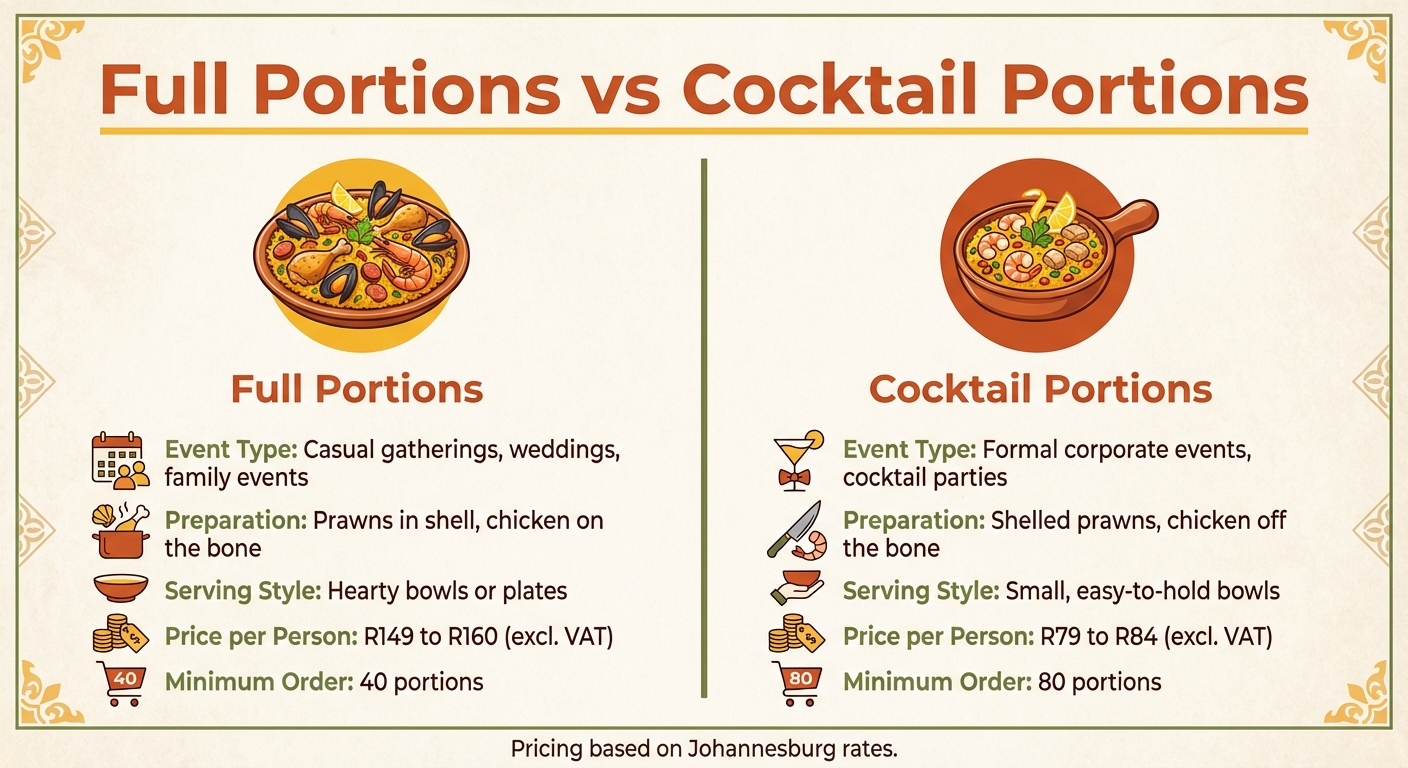
Tutto Paella offers a selection of three paella varieties, each crafted to bring authentic Spanish flavours to your table. Whether you’re hosting a formal event or a casual get-together, these dishes are available in full or cocktail portions to suit your needs.
-
Seafood Paella
Packed with the finest ocean treasures, this paella features prawns, calamari, and mussels, all finished with fresh parsley and extra virgin olive oil. Perfect for summer parties or coastal celebrations, this dish is priced at R160,00 per full portion or R84,00 per cocktail portion.
-
Chicken Paella
A heartier choice, the chicken paella combines free-range chicken, chorizo, beans, peppers, and artichokes, seasoned with smoked paprika for a comforting, savoury flavour. It’s a great option for cooler months or when you want something more filling. Pricing is R160,00 per full portion or R84,00 per cocktail portion.
-
Mushroom Paella
For vegetarian guests, the mushroom paella is a standout. It blends mixed mushrooms with truffle oil and char-grilled fennel, creating a dish that’s both satisfying and full of depth. This option is priced at R149,00 per full portion or R79,00 per cocktail portion.
Each paella option requires a minimum order of 40 full portions or 80 cocktail portions, making them ideal for medium to large events.
Serving Options: Enamelware or Biodegradable
How your paella is served can add to the overall atmosphere of your event. Tutto Paella offers two serving styles to match your preferences:
-
Enamelware Serving
For a rustic, authentic touch, enamel bowls are paired with matching cutlery and napkins. This option brings a traditional Spanish feel to the dining experience and is priced at R15,50 per person. It’s a great fit for elegant weddings or corporate events where presentation matters.
-
Biodegradable Serving Ware
If sustainability is a priority, the biodegradable option is a fantastic choice. Eco-friendly bowls, plates, wooden cutlery, and napkins are used, offering an environmentally conscious yet stylish solution. Pricing is R9,50 per person for full servings or R8,50 per person for cocktail servings.
Both options include all necessary serving items. Additional travel and setup fees apply based on your event’s location, whether it’s a garden party in Constantia or a corporate event in Sandton.
These serving choices allow you to customise the dining experience to suit your event’s tone and values while ensuring every guest enjoys a beautifully presented, delicious meal.
How to Handle Common Outdoor Catering Problems
When it comes to outdoor catering, challenges like unpredictable weather, limited infrastructure, and food safety concerns can complicate even the best-laid plans. South Africa’s diverse climate and unique venues add an extra layer of complexity. But with thoughtful preparation and a proactive approach, these hurdles can be managed effectively. Let’s dive into some practical solutions for common outdoor catering issues.
Managing Weather Changes and Backup Plans
South Africa’s weather is famously unpredictable. One moment it’s sunny, and the next, a sudden downpour or gusty winds can disrupt your event. To stay ahead, monitor weather forecasts in the days leading up to the occasion. Don’t rely on just one forecast - check multiple sources and plan for all possibilities.
Have a solid backup plan in place. This could mean arranging an indoor alternative or securing postponement options. Tents, marquees, or canopies are great for shielding guests, food, and equipment from both rain and harsh sun. Mature trees can also provide natural shade, but don’t forget to inspect them for safety. For colder months or evening events in regions like the Drakensberg or Cape Winelands, portable heaters are a lifesaver. On the other hand, summer events in Johannesburg might call for fans or misting systems to keep everyone cool.
Being flexible and having contingency measures ensures that weather surprises won’t derail your event.
Power Supply and Equipment Transport
Outdoor events rely heavily on a dependable power supply. Before booking a venue, inspect the available power facilities and outlets[5,18,19]. Visit the site a few days before the event to confirm outlet locations, lighting, and overall infrastructure. Even if the venue seems well-equipped, always bring a generator as a backup. Make sure it’s compatible with your equipment’s voltage requirements. Extension cords and surge protectors are also must-haves, especially for remote venues with limited power options.
Transporting equipment to the venue is another critical consideration. Use insulated food carriers, thermal liners, and refrigerants to maintain proper temperatures during transit. Pack foods in separate containers to prevent cross-contamination, and take travel time into account. A quick 20-minute drive within the city is very different from a two-hour journey to a farm venue in the Boland. Plan your event layout to include clear, accessible pathways for staff and equipment, ensuring smooth operations on-site.
Once your power and transport logistics are sorted, turn your attention to food safety - an essential aspect of outdoor catering.
Food Safety and Health Compliance
Outdoor catering comes with unique food safety challenges. Without the controlled environment of a commercial kitchen, maintaining hygiene and proper food handling practices becomes even more critical. Adhering to local health regulations is non-negotiable.
Temperature control is a top priority. Keep hot foods above 60°C and cold foods below 5°C to prevent bacterial growth. This is especially important in South Africa’s warm climate. Use chafing dishes with fuel cells for hot dishes and coolers with ice packs for chilled items. Regularly check food temperatures throughout the event to ensure they stay within safe limits.
Hand hygiene is another key factor. Make sure staff have access to proper handwashing facilities, including soap and clean water. If running water isn’t available, bring portable containers with taps and catch basins. While hand sanitiser can be helpful, it’s no substitute for thorough handwashing, especially after handling raw ingredients.
Prevent cross-contamination by keeping raw and cooked foods separate during transport, storage, and preparation. Colour-coded cutting boards and utensils can help maintain hygiene during on-site prep. Use mesh covers to protect food from dust, insects, and other airborne particles.
Lastly, don’t overlook waste management. Provide clearly marked bins for different types of waste and empty them regularly to maintain cleanliness. Familiarise yourself with local health regulations, as requirements can vary by municipality. Check with local authorities about permits, inspections, and compliance standards. Keeping detailed records - such as food temperatures, supplier details, and staff training - can also demonstrate your commitment to food safety if any issues arise.
Conclusion
Outdoor event catering in South Africa offers a chance to craft unforgettable dining experiences that celebrate the country’s stunning landscapes, sunny weather, and lively social traditions. Whether it’s a garden gathering in the Cape Winelands or a corporate event on a rooftop in Johannesburg, careful planning turns these moments into seamless, enjoyable occasions.
This guide has explored the key elements for successful outdoor catering. At its core, thorough planning is vital - covering logistics, guest comfort, legal considerations, and even environmental responsibility. A standout feature of any outdoor event is the magic of live cooking. It’s not just about the food; it’s about creating an experience. Think of the sizzling sounds, the enticing aromas, and the visual delight of fresh ingredients being transformed into a mouthwatering dish like paella. Offering a variety of authentic paella options ensures you cater to different tastes while maintaining top-notch quality. Plus, you can add a thoughtful touch by choosing between enamelware or biodegradable serving options, showing care for both presentation and sustainability.
Adaptability is key when working with South Africa’s varied climate. Having backup plans for weather changes, ensuring reliable power sources, and sticking to strict food safety measures are all must-haves. On top of that, efficient waste management shows a practical commitment to sustainability, leaving a positive impact without sacrificing the event’s overall vibe.
FAQs
How can I prepare for unpredictable weather when hosting an outdoor event in South Africa?
Unpredictable weather can throw a spanner in the works when planning outdoor events in South Africa. But with a bit of preparation, you can keep things running smoothly. Start by relying on trusted local weather forecasts and setting up alerts to stay ahead of any sudden changes. It's also smart to plan key activities for the cooler parts of the day - early mornings or late afternoons - when you're less likely to face sweltering heat or a surprise downpour.
To keep your event weather-proof, think about renting stretch tents or marquees. These offer shade on sunny days and protection if the rain decides to make an appearance. Portable fans or heaters can be lifesavers for managing temperature swings, and your catering setup should be ready to handle both sunny skies and rainy interruptions. A little forward-thinking goes a long way in ensuring your guests stay comfortable and your event stays on track, no matter what the skies have in store.
What are the best practices for ensuring food safety and hygiene during outdoor catering events in warm South African climates?
To ensure food safety and hygiene during outdoor catering in South Africa's warm climate, it's crucial to follow a few essential practices. First, make sure all food handlers wash their hands thoroughly and often. Clean clothing and aprons are a must, and any cuts should be covered with waterproof dressings to avoid contamination.
Temperature control is key. Keep food out of the danger zone - which ranges between 5°C and 63°C - where bacteria multiply quickly. Hot foods should be kept above 63°C, while cold foods need to stay below 5°C. Use a properly calibrated thermometer to check temperatures, and make sure frozen foods are completely thawed before cooking.
To avoid cross-contamination, always separate raw and cooked foods. Regularly sanitise preparation surfaces and utensils to maintain cleanliness. Lastly, ensure your catering setup can manage the amount of food being prepared while meeting hygiene standards.
What makes live cooking stations, like paella, a great choice for outdoor events in South Africa?
Live cooking stations, like a sizzling paella setup, bring an exciting mix of freshness, flavour, and fun to outdoor gatherings. There's something special about watching your meal come to life right before your eyes, ensuring it's not only freshly prepared but also customised to suit individual tastes.
Beyond the food, these stations transform the event into a sensory experience. The crackle of the pan, the aroma of spices, and the vibrant colours of fresh ingredients create a lively, social vibe that draws guests in. Plus, with flexible menu choices, it's easy to cater to a variety of preferences and dietary requirements. In a country like South Africa, where outdoor celebrations are part of the culture, live cooking adds that extra touch of excitement and interaction to any occasion.